Otoplasty Surgery in Kolkata - Ear Correction & Ear Pinning Surgery for Bat Ear/Prominent Ear Deformity
Otoplasty in Kolkata, commonly known as ear correction surgery, is a specialised cosmetic and reconstructive procedure designed to improve the shape, position or proportion of the ears. It is frequently considered by people who are concerned about prominent, protruding or asymmetrical ears. Otoplasty can refine the relationship between the ears and the face while maintaining a natural appearance. The procedure may be performed in adults and, when appropriate, in children after adequate ear development.
Otoplasty Techniques for Prominent and Asymmetrical Ears
Otoplasty surgery in Kolkata is individually planned according to the patient’s ear anatomy and aesthetic concerns. Depending on the condition, the procedure may involve reshaping the ear cartilage, creating or refining the antihelical fold, reducing excessive conchal prominence or repositioning the ear closer to the head. The surgical technique is selected according to the underlying anatomy rather than using a standardised approach for every patient.
Who May Benefit from Ear Correction Surgery?
Patients with protruding ears, prominent ears, asymmetrical ears or concerns about ear shape or size may consider otoplasty. Prominent ears can sometimes affect self-confidence, particularly during childhood and adolescence. Adults who have remained concerned about the appearance of their ears may also undergo corrective surgery. A detailed consultation helps determine the specific anatomical features that can be improved and establishes realistic expectations.
Natural-Looking Ear Correction
The goal of otoplasty in Kolkata is not to make the ears completely flat against the head. Careful cartilage reshaping and positioning are used to create a more balanced relationship between the ears, face and head. Maintaining appropriate contours and avoiding excessive correction are important for achieving a natural-looking result. Asymmetry is also assessed because minor differences between the two ears are common even after successful surgery.
Otoplasty for Children and Adults
Ear correction surgery in Kolkata may be considered for both children and adults. In children, otoplasty is generally considered once the ears have reached sufficient development and when the child is able to participate appropriately in the decision and postoperative care. Adults may undergo otoplasty at any age when they are concerned about ear prominence, asymmetry or shape. Suitability is determined during an individual consultation.
Otoplasty by Prof. (Dr.) Souvik Adhikari
Prof. (Dr.) Souvik Adhikari brings 17+ years of surgical experience in cosmetic, plastic and reconstructive surgery, with additional AOCMF Fellowship training at Johns Hopkins University, USA. His approach to otoplasty surgery in Kolkata focuses on detailed anatomical assessment, precise cartilage reshaping, meticulous surgical planning and natural-looking results.
Otoplasty Recovery and Consultation
Recovery following otoplasty in Kolkata varies between patients. Swelling, bruising and temporary tenderness are common during the early healing period and gradually improve. A protective headband or dressing may be recommended for a period following surgery to protect the ears while they heal. Patients receive personalised instructions regarding wound care, sleeping position, activity and follow-up.
If you are considering otoplasty in Kolkata, a consultation with an experienced plastic surgeon can help determine whether ear correction surgery is appropriate for you or your child. The aim is to achieve better ear proportion, improved symmetry and a natural-looking relationship between the ears and the face while maintaining realistic expectations about the outcome.
What Otoplasty Corrects
Otoplasty, also known as ear correction or ear pinning surgery, can improve the shape, position and proportion of the external ear. The procedure is individually planned according to the underlying ear anatomy and may address prominent ears, asymmetry, abnormal cartilage folds and selected congenital ear deformities.
Prominent or Protruding Ears
Prominent ears project farther from the side of the head than desired and may affect one or both ears. Otoplasty can reposition the ears closer to the head while maintaining a natural degree of projection and avoiding an excessively flattened or “pinned-back” appearance.
Underdeveloped Antihelical Fold
A poorly defined or absent antihelical fold is one of the common anatomical reasons for ear prominence. Otoplasty can recreate or refine this natural cartilage fold to improve the shape and position of the ear.
Excessive Conchal Prominence
An overly deep or prominent conchal bowl can contribute to increased ear projection. Where appropriate, otoplasty may reduce or reposition the conchal cartilage as part of the overall correction. The technique depends on the individual ear structure.
Asymmetrical Ears
Otoplasty can improve noticeable differences in the position, projection or shape of the two ears. Depending on the degree of asymmetry, one or both ears may require correction. The objective is meaningful improvement in balance and symmetry rather than an unrealistic promise that both ears will become completely identical.
Congenital Ear Deformities
Selected congenital ear deformities can be corrected through otoplasty or other reconstructive techniques. These may include certain constricted or misshapen ears, Stahl’s ear and other developmental differences. More complex conditions such as microtia or anotia may require specialised ear reconstruction rather than routine otoplasty.
Changes After Previous Ear Surgery
Revision otoplasty may be considered when residual prominence, asymmetry, cartilage irregularity or other contour concerns remain after previous ear surgery. Revision procedures require careful assessment of the existing cartilage, scars and previous surgical changes before determining the appropriate reconstructive approach.
Otoplasty for Natural Facial Proportions
The aim of otoplasty is not simply to make the ears smaller or press them tightly against the head. Appropriate ear position, contour and projection are considered in relation to the patient’s facial proportions. A carefully planned correction can create a more balanced relationship between the ears and the face while preserving a natural appearance.
Individualised Planning for Otoplasty Surgery
Otoplasty is not performed using one standard technique for every patient. The surgical plan depends on the shape and size of the ears, the degree of ear prominence, the development of the antihelical fold, conchal anatomy, ear symmetry and the relationship between the ears and the face. The objective is to create a balanced ear position while preserving natural contours and avoiding excessive correction.
Who May Benefit from Otoplasty?
Otoplasty may be considered for children, adolescents and adults who are concerned about prominent, protruding or asymmetrical ears. Patients may seek correction because of the shape or position of their ears, longstanding self-consciousness, teasing during childhood or dissatisfaction with a previous ear surgery. Suitability is determined after assessing the ear anatomy, overall facial proportions and the patient’s expectations.
Otoplasty for Prominent or Protruding Ears
Prominent ears may result from an underdeveloped antihelical fold, excessive conchal prominence, increased ear projection or a combination of anatomical factors. Otoplasty can address these features by reshaping and repositioning the ear cartilage so that the ears have a more balanced relationship with the head and face.
Otoplasty for Asymmetrical Ears
Some degree of natural asymmetry between the ears is common. When one ear is more prominent or differs substantially in shape or position, unilateral or bilateral correction may be considered depending on the anatomy. The aim is meaningful improvement in symmetry rather than an unrealistic promise of perfectly identical ears.
Ear Cartilage Reshaping During Otoplasty
Depending on the deformity, otoplasty may involve reshaping, folding, scoring or repositioning portions of the ear cartilage. The antihelical fold may be created or refined, while excessive conchal prominence may be reduced or repositioned when appropriate. The technique is selected according to the individual anatomy rather than applying the same method to every patient.
Otoplasty for Children
Otoplasty may be considered during childhood once the ears have developed sufficiently and the child is able to participate appropriately in the treatment and postoperative care. The timing is individualised according to ear development, the child’s health and readiness, family circumstances and the degree of concern caused by the ear deformity.
Otoplasty for Adults
Adults can undergo otoplasty when they remain concerned about prominent, protruding or asymmetrical ears. Previous concerns from childhood, changes in self-confidence or dissatisfaction with ear appearance may lead adults to seek correction. The cartilage and soft tissues are assessed carefully before selecting the appropriate technique.
Congenital Ear Deformities and Otoplasty
Some prominent or abnormally shaped ears are congenital differences that develop during childhood. Otoplasty can correct selected external ear deformities by reshaping or repositioning the available cartilage and soft tissues. More complex congenital ear abnormalities may require a different reconstructive approach rather than routine cosmetic otoplasty.
Otoplasty After Previous Ear Surgery
Patients who have undergone previous otoplasty or other ear surgery may sometimes develop residual prominence, asymmetry, contour irregularities or recurrent deformity. Revision otoplasty requires careful assessment of the remaining cartilage, scar tissue and previous surgical changes. The treatment plan may differ substantially from primary otoplasty.
Otoplasty and Natural Ear Proportions
The goal of ear correction is not to press the ears completely flat against the head. Appropriate projection, contour and symmetry are important for a natural appearance. Excessive correction can produce an unnatural appearance, so the position of the ear is planned in relation to the patient’s facial proportions and individual anatomy.
Anaesthesia for Otoplasty
The choice of anaesthesia depends on the patient’s age, the extent of correction, the surgical technique and individual medical considerations. Otoplasty may be performed using local anaesthesia with or without appropriate sedation in selected patients, while general anaesthesia may be preferred in some children or for particular surgical circumstances. The appropriate option is discussed during preoperative assessment.
Duration of Otoplasty Surgery
The duration of otoplasty varies according to the anatomy being corrected, whether one or both ears are treated and whether additional procedures are required. A more accurate estimate can be provided after examining the ears and establishing the surgical plan.
Recovery After Otoplasty
Swelling, bruising, tenderness and a feeling of tightness are common during the early recovery period. A protective dressing or headband may be recommended to support the ears and protect them during healing. Patients receive individualised instructions regarding wound care, sleeping position, physical activity and follow-up.
Scars After Otoplasty
Otoplasty incisions are commonly placed behind the ear or in other appropriately concealed areas, depending on the technique required. Scars usually mature gradually over time. Although scars are permanent, careful incision placement and appropriate scar care can help make them less conspicuous.
Risks and Possible Complications of Otoplasty
Potential complications include bleeding or haematoma, infection, wound-healing problems, altered sensation, persistent swelling, cartilage irregularity, asymmetry, unfavourable scarring, recurrence of ear prominence and the possibility of revision surgery. The risks vary according to the technique and are discussed during informed consent.
When Will the Final Otoplasty Result Be Visible?
The improvement in ear position can usually be appreciated relatively early, although swelling and tissue stiffness may temporarily affect the appearance. The ears gradually settle as healing progresses, and the final contour becomes clearer over the following weeks and months.
Are Otoplasty Results Permanent?
Otoplasty is intended to provide a durable change in the shape and position of the ears. However, healing characteristics, cartilage memory, trauma and the natural ageing process can influence the long-term appearance. Recurrence or partial loss of correction can occur in some patients.
Consultation for Otoplasty Surgery in Kolkata
A detailed consultation is important before otoplasty because the appropriate technique depends on the patient’s individual ear anatomy. The position, shape, cartilage framework and symmetry of both ears are assessed, and the expected improvement, limitations, recovery and potential risks are discussed before surgery.
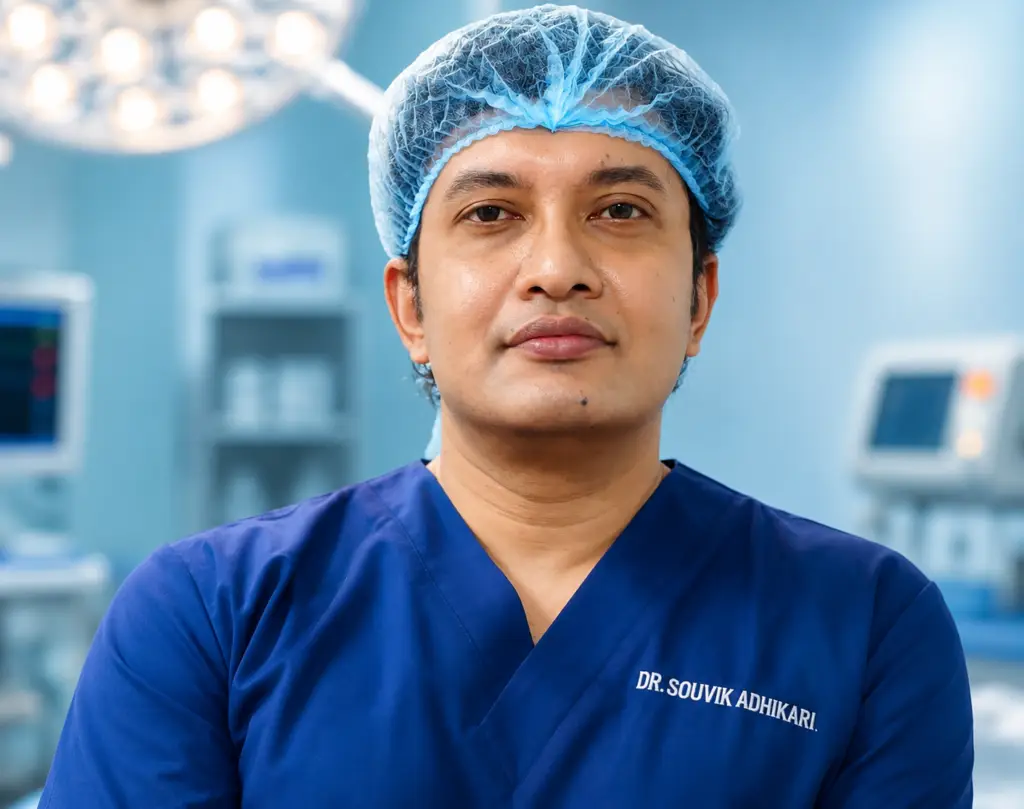
Prof. (Dr.) Souvik Adhikari
MS, MCh (Plastic Surgery)
17+ years experience
Gallery
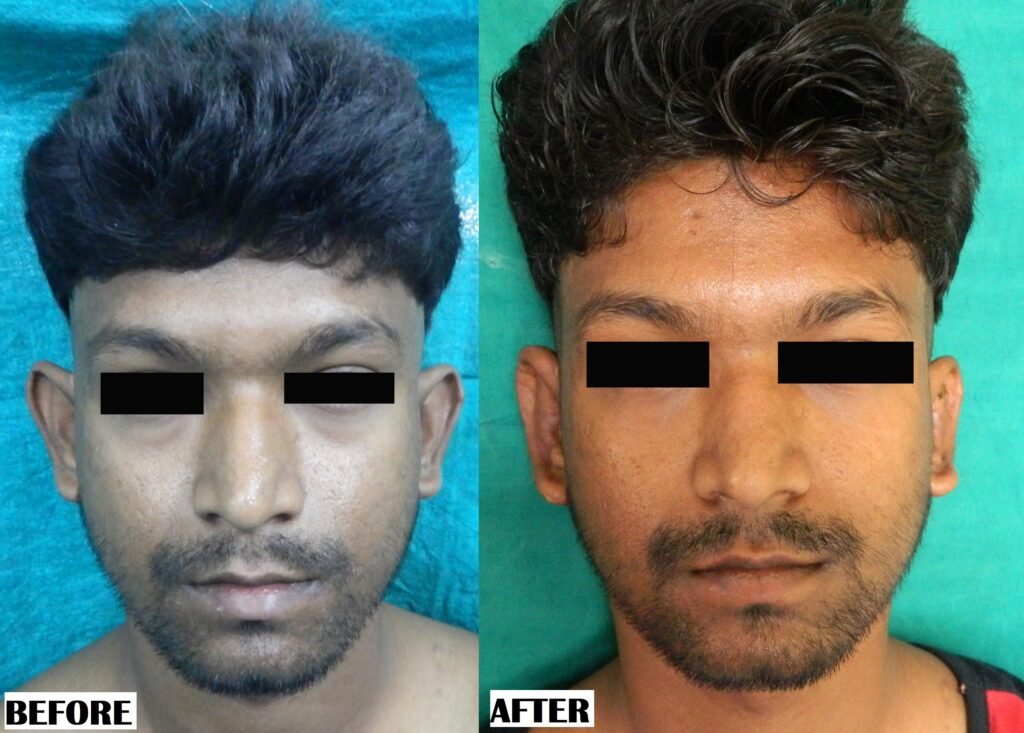
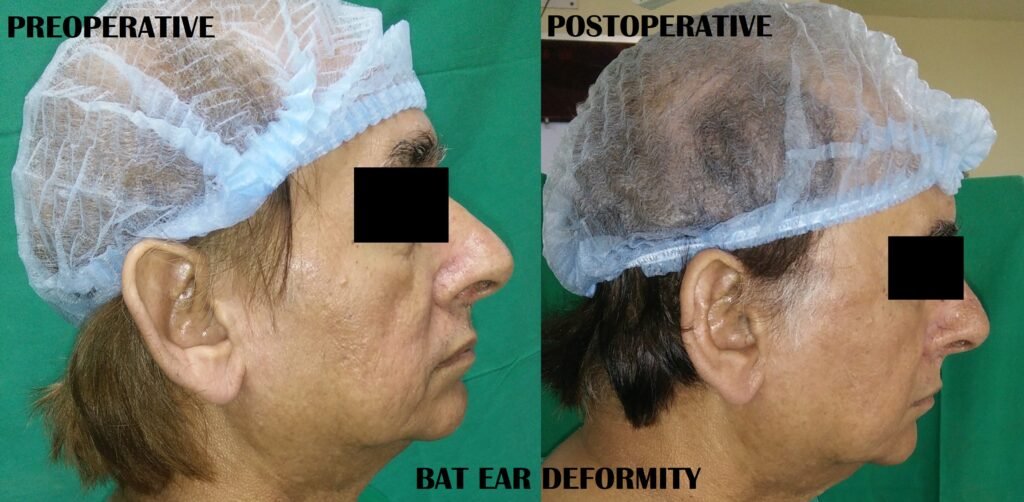
Consented before-and-after photographs for otoplasty surgery are reviewed privately during consultation, in line with medical advertising guidelines.
Video of Otoplasty Surgery
Otoplasty Surgery for Prominent Ears in Kolkata
This educational video demonstrates the principles of otoplasty surgery for prominent or protruding ears, including assessment of ear anatomy, cartilage reshaping and repositioning of the ear. The surgical technique is selected according to the individual ear structure, with the aim of achieving balanced proportions and a natural-looking result.
Frequently Asked Questions
Is Otoplasty Surgery painful?
Discomfort is well controlled with a multimodal pain protocol. Most patients describe a tightness or soreness rather than sharp pain, easing significantly within the first week.
How much does Otoplasty Surgery cost in Kolkata?
The cost of otoplasty in Kolkata varies according to whether one or both ears are treated, the complexity of cartilage correction, anaesthesia, surgical-facility requirements and other individual factors. An individualised estimate can be provided after consultation.
When can I return to work?
Return to work and normal activities depends on the extent of surgery and the individual's healing. Many patients can resume desk-based activities relatively soon after surgery, while contact sports, strenuous exercise and activities that could injure the ears generally need to be avoided for longer. Your surgeon will provide activity-specific advice during follow-up.
Will the scars be visible?
Incisions are placed in natural creases or hidden zones wherever anatomically possible, and scar care is guided for up to a year.
Do you treat patients traveling from outside Kolkata?
Yes. Patients from across West Bengal, India and abroad are treated, with video consultations and coordinated travel and stay planning.
What is otoplasty surgery?
Otoplasty, also known as ear correction surgery or ear pinning surgery, is a cosmetic procedure designed to improve the shape, position or proportion of the outer ears. It is commonly performed for prominent or protruding ears and aims to create a more balanced relationship between the ears and the face.
What is prominent ear surgery?
Prominent ear surgery is a type of otoplasty performed to reduce the appearance of ears that project excessively from the sides of the head. Depending on the individual's anatomy, the procedure may reshape the ear cartilage, create or improve the natural ear folds, and reposition the ear closer to the head.
What is ear pinning surgery?
Ear pinning surgery is a commonly used term for otoplasty performed to correct prominent ears. The procedure modifies the cartilage and/or position of the ear so that it sits closer to the side of the head while maintaining a natural-looking shape.
What is bat ear surgery?
Bat ear surgery is an informal term sometimes used to describe surgery for prominent or protruding ears. Medically, the procedure is generally referred to as otoplasty or prominent ear correction surgery. The aim is to create a more natural ear position and contour.
What causes prominent or protruding ears?
Prominent ears are usually related to the natural development and shape of the ear cartilage. An underdeveloped antihelical fold, excessive conchal cartilage or a combination of anatomical factors can cause the ear to project further from the head.
Who is a good candidate for otoplasty?
Otoplasty in Kolkata may be suitable for children, teenagers or adults who are concerned about prominent, protruding or asymmetrical ears. The ears should generally have reached sufficient developmental maturity, and the patient should have realistic expectations about the outcome.
Can otoplasty be performed on one ear only?
Yes. In selected patients, unilateral otoplasty may be appropriate when one ear is significantly more prominent or differs in shape from the other. The surgical plan is determined after assessing both ears and the overall facial balance.
Can prominent ears become prominent again after surgery?
Recurrence is possible, although appropriate surgical technique can provide a durable correction. Healing characteristics, cartilage memory, trauma and postoperative care can influence the long-term position of the ears.
Can otoplasty correct protruding ears?
Yes. Correcting prominent or protruding ears is one of the most common reasons for otoplasty. Depending on the anatomy, surgery may involve reshaping the ear cartilage, creating or refining the antihelical fold, reducing conchal prominence or repositioning the ear closer to the head. The exact technique is selected according to the individual's ear structure.
Can otoplasty correct uneven or asymmetric ears?
Ear correction surgery can improve ear asymmetry when differences in ear position, size or cartilage shape contribute to the appearance. However, some degree of natural asymmetry is common, and perfect symmetry cannot always be guaranteed.
Can adults undergo prominent ear surgery?
Yes. Adult otoplasty can be performed when the ears are fully developed and the patient is medically suitable for surgery. Adults may seek ear correction because of longstanding concerns about prominent ears or because they have become more conscious of their appearance over time.
Can otoplasty correct congenital ear deformities?
Selected congenital ear deformities can be corrected with otoplasty or other reconstructive procedures, depending on the anatomy. Prominent ears, underdeveloped ear folds and certain differences in ear shape may be treated by reshaping or repositioning the ear cartilage. More complex congenital ear abnormalities may require specialised reconstructive surgery.
Can children undergo ear pinning surgery?
Otoplasty is commonly considered in children once the ears have reached sufficient development. In younger patients, the procedure may also be considered before school age when prominent ears are causing significant emotional or social concerns. The timing should be determined after an individual assessment.
Does otoplasty change the size of the ears?
Otoplasty primarily changes the shape, position or projection of the ears, rather than simply making the ears smaller. In selected cases, however, additional cartilage or soft-tissue correction may be required to improve overall ear proportion.
How is prominent ear surgery performed?
The technique depends on the patient's anatomy. Otoplasty surgery may involve reshaping, folding or repositioning the ear cartilage and securing it in a more appropriate position. The procedure is customised rather than using one technique for every patient.
Where is the incision made during otoplasty?
For many prominent ear correction procedures, the incision is placed behind the ear, allowing the resulting scar to be relatively concealed in the natural crease behind the ear. The exact incision and surgical technique depend on the correction required.
When will I see the final results of ear correction surgery?
The change in ear position can usually be appreciated relatively early, but final otoplasty results develop gradually as swelling decreases and the tissues settle. The ears may continue to refine in appearance over the following weeks and months.
Are otoplasty results permanent?
Otoplasty provides long-lasting changes to the shape and position of the ears. However, natural ageing, injury or other changes in the cartilage and surrounding tissues can influence the appearance over time.
Is otoplasty surgery safe?
Like any surgical procedure, prominent ear surgery carries potential risks, including infection, bleeding, scarring, changes in sensation, asymmetry, cartilage irregularities and recurrence of prominence. Careful surgical planning and postoperative follow-up are important for achieving a safe and satisfactory outcome.
Where can I get otoplasty surgery in Kolkata?
If you are looking for otoplasty surgery in Kolkata, consultation with a qualified plastic surgeon can help determine the most appropriate approach for prominent or protruding ears. Your ear cartilage, ear position, facial proportions and individual goals can be assessed before creating a personalised surgical plan.
Honest assessment, written estimate, no pressure to book.