Skin Cancer Reconstruction in Kolkata
Skin cancer reconstruction in Kolkata is a specialised area of reconstructive plastic surgery focused on restoring the appearance and function of an area after skin cancer removal. Surgical treatment of skin cancer may leave a defect involving the skin, soft tissue or, in more extensive cases, deeper structures. Reconstruction aims to repair these defects while preserving important functions and achieving the most natural-looking contour possible.
Reconstruction After Skin Cancer Removal
Reconstructive surgery after skin cancer excision in Kolkata is individually planned according to the size, depth and location of the defect. Depending on the affected area, reconstruction may involve direct closure, skin grafting, local flap surgery or other tissue-rearrangement techniques. The choice of reconstruction depends on the amount of tissue removed, the surrounding skin quality and the functional and aesthetic importance of the area.
Facial Skin Cancer Reconstruction in Kolkata
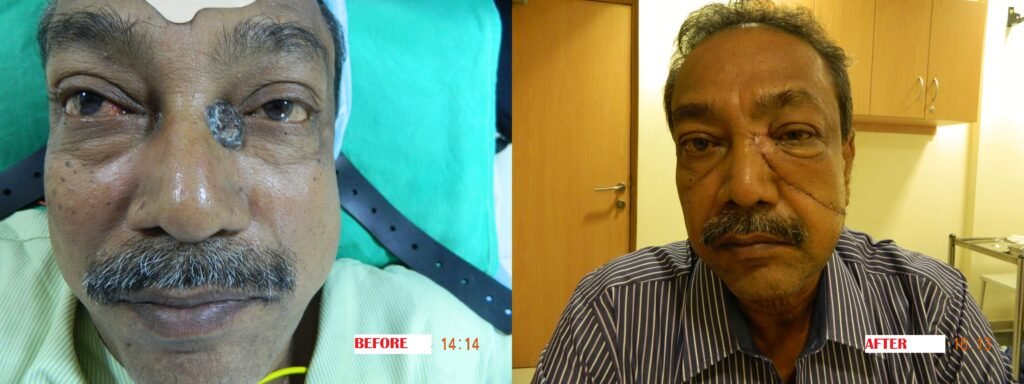
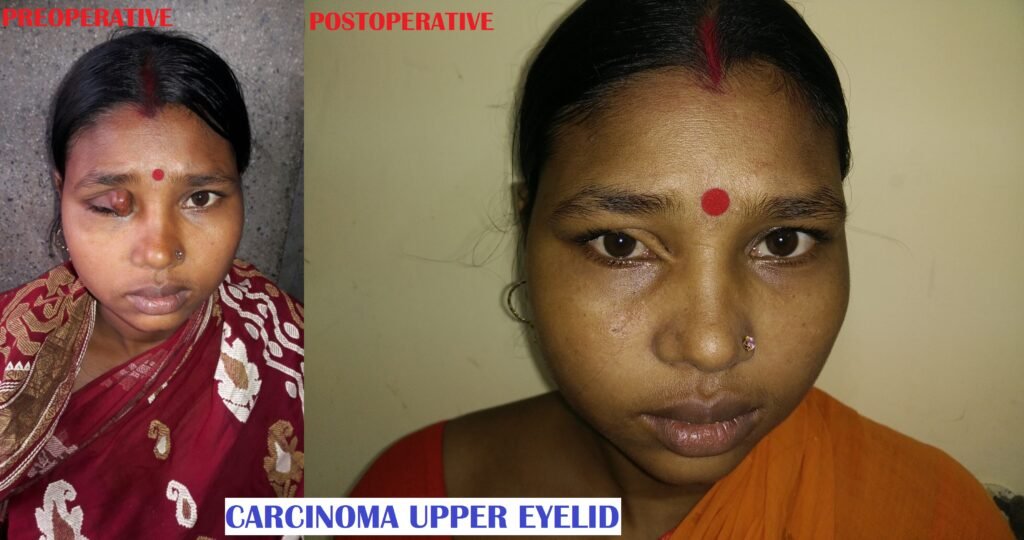
Facial skin cancer reconstruction requires particular precision because even a relatively small defect can affect facial symmetry and important functions. Skin cancers involving the nose, eyelids, lips, cheeks, forehead or ears may require carefully designed reconstruction. Local flap techniques and skin grafting can be used in selected cases to restore tissue while respecting natural facial contours, skin characteristics and important anatomical landmarks. Reconstruction is planned not only to restore appearance but also to preserve important functions such as eyelid closure, nasal function and movement of the lips where relevant.
Skin Grafting and Flap Reconstruction
Skin grafting and flap surgery in Kolkata are important reconstructive techniques following removal of selected skin cancers. A skin graft uses healthy skin from another part of the body to cover a suitable defect, while a local flap uses nearby tissue with its own blood supply to reconstruct the affected area. The technique is selected according to the defect and the patient’s individual requirements.
Functional and Aesthetic Skin Cancer Reconstruction
The objective of skin cancer reconstruction extends beyond closing the surgical wound. Reconstruction may need to preserve or restore functions such as eyelid closure, nasal breathing, mouth movement and facial expression, depending on the location of the cancer. At the same time, careful reconstruction can help minimise contour irregularities and achieve a result that blends naturally with the surrounding tissues.
Reconstruction After Mohs or Skin Cancer Excision
Patients who have undergone skin cancer excision or Mohs surgery may sometimes require reconstruction of the resulting defect. The reconstructive approach depends on the size and location of the defect and the amount of tissue removed. Reconstruction may be performed immediately after cancer removal or, in selected circumstances, at a later stage. The priority remains complete and appropriate treatment of the cancer, followed by restoration of form and function.
Personalised Skin Cancer Reconstruction in Kolkata
Every cancer-related defect is different. Factors such as the type and location of skin cancer, size of the defect, previous surgery or radiotherapy, skin quality and overall health influence reconstructive planning. Some patients may require a single procedure, while larger or more complex defects can require staged reconstruction. Patients are counselled regarding expected results, scars, healing, potential complications and the possibility of additional procedures.
Skin Cancer Reconstruction by Prof. (Dr.) Souvik Adhikari
Prof. (Dr.) Souvik Adhikari brings 17+ years of surgical experience in cosmetic, plastic and reconstructive surgery, with additional AOCMF Fellowship training at Johns Hopkins University, USA. His approach to skin cancer reconstruction in Kolkata focuses on detailed assessment of the defect, personalised reconstructive planning, appropriate flap or graft selection and meticulous surgical technique to restore facial or body contour and function.
Recovery After Skin Cancer Reconstruction
Recovery following skin cancer reconstruction surgery in Kolkata depends on the size and location of the defect and the reconstructive technique used. Swelling, bruising, tenderness and temporary changes in sensation may occur during healing. Patients receive personalised instructions regarding wound care, activity, scar management and follow-up. Continued follow-up with the appropriate cancer specialist remains important after reconstruction to monitor the underlying skin cancer.
If you are looking for skin cancer reconstruction in Kolkata following removal of a skin cancer, a specialist consultation can help determine the most appropriate reconstructive option. The goal is to restore the affected area’s form and function, achieve a natural-looking result and support the patient’s recovery following cancer treatment.
Skin Cancer Removal and Reconstruction
The primary objective of skin cancer surgery is complete and appropriate removal of the cancer. Reconstructive surgery addresses the resulting tissue defect and aims to restore form and function. Depending on the individual case, reconstruction may be performed immediately or at a later stage as part of the overall treatment plan.
Who May Benefit from Skin Cancer Reconstruction?
Skin cancer reconstruction may be considered for patients who have a skin or soft-tissue defect following removal of a skin cancer. Reconstruction can be particularly important when the defect involves the face, nose, eyelids, lips, ears, cheeks, forehead or scalp, where tissue loss may affect both appearance and normal function.
The appropriate reconstructive approach depends on the size, depth and location of the defect, the condition of the surrounding tissues, the structures involved and the patient’s overall health. Reconstruction may be performed immediately after skin cancer removal or at a later stage, depending on the individual treatment plan.
Goals of Skin Cancer Reconstruction
The primary goals of reconstruction are to restore the affected area’s form, contour and function while providing durable tissue coverage and an appropriate aesthetic result.
Depending on the location and extent of tissue loss, reconstruction may aim to:
Restore the natural contour and shape of the affected area
Preserve or restore important functions where possible
Provide appropriate coverage of the surgical defect
Maintain facial symmetry and anatomical relationships
Achieve a good match with the surrounding skin and tissues
Minimise distortion of nearby anatomical structures
Produce a natural-looking result that continues to improve as the tissues heal
How Is Skin Cancer Reconstruction Performed?
The reconstructive technique is selected according to the size, depth and location of the defect created after skin cancer removal. Smaller defects may sometimes be closed directly, while other defects may require a skin graft or local flap reconstruction.
A skin graft uses skin from another part of the body to cover the defect. A local flap uses nearby tissue that is carefully repositioned into the defect while maintaining its blood supply. More complex defects may require advanced or staged reconstructive procedures.
During surgery, the surrounding tissues and important anatomical structures are carefully assessed. The reconstruction is planned to provide appropriate tissue coverage while preserving function and achieving the most natural possible contour. The exact technique is individualized for each patient.
Anaesthesia
The type of anaesthesia depends on the location and extent of reconstruction, the expected duration of surgery and the patient’s general health. Selected smaller procedures may be performed under local or regional anaesthesia, while more extensive reconstruction may require general anaesthesia.
The appropriate anaesthetic plan is determined during preoperative assessment in consultation with the anaesthesia team.
Duration of Skin Cancer Reconstruction
The duration of surgery varies according to the size and complexity of the defect and the reconstructive technique required. A relatively small reconstruction may be completed in a shorter procedure, whereas larger, more complex or staged reconstructions may require considerably more time.
The expected duration will be discussed during consultation after assessment of the defect and the proposed reconstructive plan.
Recovery After Skin Cancer Reconstruction
Recovery depends on the type and extent of reconstruction performed. During the initial postoperative period, swelling, bruising and wound discomfort may occur. Dressings and wound care are particularly important during the early healing period, and skin grafts or flaps may require careful monitoring.
Over the following weeks, the reconstructed tissues gradually settle and the surgical wounds continue to heal. Scars may initially appear prominent but generally become softer and less noticeable as they mature.
Scar maturation and refinement of the reconstructed area can continue for several months. Follow-up appointments allow healing to be monitored and any necessary wound, scar or functional care to be addressed.
Risks and Possible Complications
As with any surgical procedure, skin cancer reconstruction carries potential risks. These may include bleeding, infection, delayed wound healing, wound separation, scarring, changes in sensation, contour irregularity and asymmetry.
When a skin graft or flap is used, there may also be specific complications involving graft or flap healing. Some complex cases may require additional procedures or staged reconstruction to achieve the desired functional and reconstructive outcome.
The potential risks vary according to the patient’s condition, the location and size of the defect and the reconstructive technique selected. These risks are discussed individually during consultation.
Results of Skin Cancer Reconstruction
The aim of skin cancer reconstruction is to restore the affected area’s appearance, contour and, where necessary, function, while achieving a result that integrates naturally with the surrounding tissues.
The initial appearance may change as swelling decreases and the reconstructed tissues heal. Scars and reconstructed tissues continue to mature over several months, and the final result depends on the original defect, the reconstructive technique, tissue healing and individual patient factors.
In some complex cases, staged reconstruction or later scar and contour refinement may be considered to further improve the functional or aesthetic outcome.
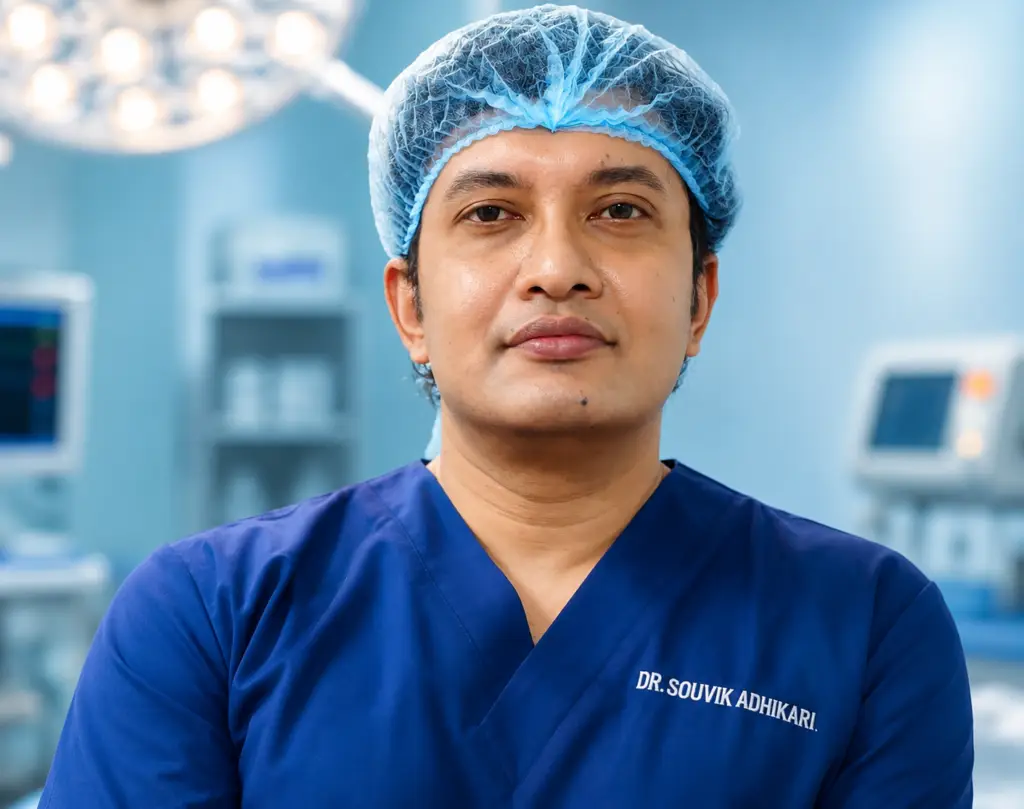
Prof. (Dr.) Souvik Adhikari
MS, MCh (Plastic Surgery)
17+ years experience
Gallery
Consented before-and-after photographs for skin cancer reconstruction are reviewed privately during consultation, in line with medical advertising guidelines.
Frequently Asked Questions
What is skin cancer reconstruction?
Skin cancer reconstruction is plastic and reconstructive surgery performed to repair a defect created after the removal of skin cancer. The reconstruction aims to restore the appearance, contour and function of the affected area while allowing adequate cancer removal to remain the primary priority. Depending on the size and location of the defect, reconstruction may involve direct closure, a skin graft, a local flap or more complex reconstructive techniques.
Why is reconstructive surgery needed after skin cancer removal?
Removal of skin cancer may leave a defect in the skin and underlying tissues, particularly when the tumour is large, deep or located in an anatomically important area such as the nose, eyelid, lip, ear, cheek or scalp. Reconstructive surgery helps restore the contour and function of the affected area and aims to produce a natural-looking result while allowing appropriate cancer treatment to remain the priority.
Can skin cancer reconstruction be performed on the face?
Yes. Facial skin cancer reconstruction is commonly performed when removal of a skin cancer creates a defect involving areas such as the nose, eyelids, lips, cheeks, forehead or ears. Facial reconstruction requires careful planning because both appearance and function must be considered. The reconstructive technique is selected according to the location, size and depth of the defect and the quality of the surrounding tissues.
What areas can be reconstructed after skin cancer surgery?
Reconstruction can be performed on many areas of the body, including the face, nose, eyelids, lips, ears, cheeks, forehead, scalp, neck, arms, legs and trunk. The appropriate technique depends on the anatomical location and characteristics of the defect. In cosmetically and functionally important areas, reconstruction is planned to preserve normal anatomy as far as possible.
What are the options for reconstruction after skin cancer removal?
The main reconstructive options include direct wound closure, skin grafting and local flap reconstruction. Smaller defects may sometimes be closed directly, while larger or more complex defects may require a skin graft or flap. The choice depends on the size, depth and location of the defect, surrounding skin quality, functional requirements and the patient's individual circumstances.
What is a local flap in skin cancer reconstruction?
A local flap uses skin and underlying tissue from an area adjacent to the surgical defect. The tissue is carefully moved or repositioned into the defect while maintaining its blood supply. Local flap reconstruction can provide good colour, texture and contour matching, making it particularly useful for reconstructing selected defects on the face.
What is a skin graft and when is it needed after skin cancer surgery?
A skin graft involves transferring a thin layer of skin from another part of the body to cover the surgical defect. Skin grafts may be appropriate for selected defects where direct closure or a local flap is not the preferred option. The decision depends on the size and location of the wound, the depth of tissue loss and the desired functional and cosmetic outcome.
Can a plastic surgeon reconstruct a wound after Mohs surgery?
Yes. Some patients undergoing Mohs surgery for skin cancer may require reconstructive surgery after the cancer has been removed. Depending on the resulting defect, reconstruction may involve direct closure, a skin graft or a local flap. The reconstructive plan is individualized according to the location and extent of tissue loss and the requirements of the treating skin-cancer team.
Does skin cancer reconstruction remove the cancer itself?
No. The primary purpose of reconstructive surgery is to repair the defect created by cancer removal, not to treat the cancer itself. Appropriate cancer removal and confirmation of adequate margins take priority. Reconstruction is then planned according to the resulting defect and the patient's functional and aesthetic requirements.
Can facial scars after skin cancer surgery be improved?
Yes. Some scars following skin cancer surgery can be improved with appropriate scar-management or facial scar revision procedures. Depending on the scar's location, width, depth and maturity, treatment may involve surgical revision or other scar-management approaches. Revision is generally considered after the tissues have adequately healed and the timing is appropriate.
Can skin cancer reconstruction restore normal facial appearance and function?
Reconstruction aims to restore both appearance and function as closely as reasonably possible. This is particularly important for defects involving the eyelids, nose, lips or ears, where tissue loss can affect normal function as well as appearance. The final outcome depends on factors including the size and depth of the defect, the tissues involved, the reconstructive technique and individual healing.
How long does recovery take after skin cancer reconstruction?
Recovery varies considerably depending on the size and location of the defect and whether reconstruction involves direct closure, a skin graft, a local flap or a more complex procedure. Initial wound healing occurs over the first several weeks, while swelling, scar maturation and refinement of the final appearance may continue for several months. Specific postoperative instructions and follow-up are provided according to the reconstruction performed.
Can skin cancer reconstruction require more than one surgery?
Yes. While many defects can be reconstructed successfully with a single procedure, some complex defects may benefit from staged reconstruction or secondary refinement. This may be considered when reconstruction involves multiple tissue components, when a staged flap is appropriate, or when later scar or contour refinement would improve the final result.
What are the risks of skin cancer reconstruction?
As with any surgery, skin cancer reconstruction can involve risks such as bleeding, infection, wound-healing problems, scarring, asymmetry, changes in sensation and problems affecting a skin graft or flap. The specific risks depend on the reconstructive technique, location and extent of surgery. A detailed assessment before surgery helps determine the most appropriate and safe reconstructive approach.
How much does skin cancer reconstruction cost in Kolkata?
The cost of skin cancer reconstruction in Kolkata varies according to the size and location of the defect, reconstructive technique, complexity of surgery, type of anaesthesia, operating-facility charges and postoperative care. Since reconstruction is highly individualized, an accurate estimate can be provided only after examination and assessment of the defect and the planned reconstructive procedure.
Where can I get skin cancer reconstruction in Kolkata?
Skin cancer reconstruction should be planned by a qualified plastic and reconstructive surgeon in coordination with the appropriate cancer-treatment team. In Kolkata, the choice of surgeon and facility should take into account reconstructive expertise, the anatomical complexity of the defect, appropriate surgical facilities and the ability to provide structured postoperative follow-up.
Can reconstruction be performed immediately after skin cancer removal?
In many situations, reconstruction can be performed at the same surgical sitting as skin cancer removal. However, the timing depends on factors such as the type and extent of cancer, the method used for cancer removal, margin assessment, size and location of the defect, and the overall treatment plan. Some patients may require delayed or staged reconstruction.
Will skin cancer reconstruction leave a scar?
Yes. Any surgical procedure that involves an incision or wound will result in some degree of scarring. The aim of reconstructive surgery is to place and manage scars as discreetly as possible and to achieve a result that blends with the surrounding anatomy. Scar appearance generally improves and matures gradually over time, although individual healing varies.
Honest assessment, written estimate, no pressure to book.